

Last Updated: October 31, 2026
Quick Summary
For most people, layer facial oil after moisturizer at night. Moisturizer delivers water and humectants, and oil seals them in when applied last. Use two to three drops, after the moisturizer has settled for one to two minutes.
- Apply moisturizer first, since it delivers water and humectants to the skin.
- Wait one to two minutes so the moisturizer settles before adding oil.
- Use two to three drops of facial oil, warmed between your palms.
- Oil-first can work with thick, pilling creams or light fast-absorbing oils.
Table of Contents
- Facial Oil Before or After Moisturizer: The Short Answer
- Your Nighttime Skincare Routine Order, Step by Step
- How Much Face Oil to Use at Night
- Layering Facial Oil on Sensitive Skin
- Start Your Night Routine With Lady Mascheria
- Frequently Asked Questions
Facial Oil Before or After Moisturizer: The Short Answer
For most people, most nights, facial oil goes after moisturizer. Moisturizer delivers water and humectants; oil is largely occlusive and emollient. Putting the oil last lets the moisturizer reach skin first and then seals it in. That is the order most dermatologists and formulators recommend, and it is the right default.
But the before-or-after question is not really about rules, it is about what each product is made of and what you want it to do. Here is how to decide for your own shelf.
The mechanism in one paragraph
Moisturizers contain water, humectants (glycerin, hyaluronic acid), and emollients. They work best on clean, slightly damp skin because water is what carries them in. Facial oils are blends of plant oils and sometimes esters; they are hydrophobic, so they sit on the surface and form a film. A film applied first can block the water-based layer behind it. A film applied last holds the water-based layer in. That is why order matters more than the specific products.
When oil-before-moisturizer can make sense
The standard order is not universal. Oil first is a legitimate choice in a few situations:
- Your moisturizer is very thick or silicone-heavy. A rich cream or a dimethicone-forward moisturizer can drag or pill when spread over an oil film. A light oil applied first, two drops, pressed in, can make the cream glide and reduce pilling.
- Your skin is very dry and your moisturizer is water-light. A few drops of oil on damp skin, followed by a richer cream, can add emollience without the cream feeling heavy. This is essentially an oil-serum step rather than a seal.
- Your oil is actually a lightweight, fast-absorbing formula. Some oils (squalane, grapeseed, certain ester blends) absorb quickly and behave more like a serum than a seal. These can go before moisturizer without blocking it.
- You are using a prescription topical that must be closest to skin. In that case, the topical goes first, then a light oil if needed, then moisturizer, but follow the prescription's own instructions, which override any general rule.
When to keep moisturizer first
Stick with moisturizer-then-oil if your moisturizer is lotion-like or gel-based, if your oil is rich (shea, coconut, heavy blends), if you are blemish-prone, or if you have ever noticed clogged pores or greasiness after switching. Oil-first with a heavy oil and a light moisturizer is the combination most likely to feel suffocating and to trap debris.
A quick decision tree
- Moisturizer is a lotion or gel? → Moisturizer first, oil last.
- Moisturizer is a thick cream and pills over oil? → Try a light oil first, then cream.
- Oil is squalane or another fast-absorbing lightweight? → Either order works; default to oil last.
- Using a retinoid or exfoliating acid? → Active first, then moisturizer, then oil (unless the active's instructions say otherwise).
- Blemish-prone or unsure? → Moisturizer first, oil last, 1-2 drops.
The short answer stays the same for most readers: moisturizer, then oil. The longer answer is that texture, formulation, and your routine goals, not a fixed rule, decide the exceptions.
Your Nighttime Skincare Routine Order, Step by Step
A complete nighttime sequence is less about memorizing a list and more about giving each layer the right surface to land on. Here is a practical order that works for most skin types, with the timing and amounts that make the biggest difference.
-
Cleanse (60 seconds). Remove makeup, sunscreen, and the day's grime. Use lukewarm water, hot water strips lipids and makes the next steps sting. If you double cleanse, do an oil-based cleanser first, then a gentle water-based one. Our Rose Honey Soap fits the second cleanse: a creamy goat's-milk bar with olive and coconut oils and rosehip extract. Find moisturizing goat's milk bar soap with rosehip extract for the cleansing stage. Lavender Soap blends coconut and olive oils with lavender, rosemary, and avocado oil. Browse the hydrating lavender cleanser bar for a calming first step.

Lavender Soap 
Rose Honey Soap -
Apply water-based treatments to damp skin. Water-based treatments can go on while skin is still slightly damp. Humectants like glycerin and hyaluronic acid need water to pull into the skin; on dry skin they can draw moisture from deeper layers instead. If you use a prescription topical or an active, follow its own instructions for timing.
-
Apply moisturizer (pea-sized to nickel-sized). Press, don't rub, moisturizer into skin that is still dewy. A common pattern is to wait 30 to 60 seconds after water-based layers so they can absorb, then apply moisturizer while skin feels cool and slightly tacky, not wet. This is the layer that adds and holds water.
-
Wait one to two minutes. Let the moisturizer settle until it no longer feels slippery. This is the single most useful wait time in the routine: oil applied over a wet or tacky moisturizer can trap water unevenly and feel greasy, while oil over a settled moisturizer forms a more even seal.
-
Apply facial oil as the final layer (2-3 drops). Warm the drops between your palms and press them over the face and neck, finishing with the drier areas, cheeks, around the mouth, and the neck. Avoid the immediate eye area unless the product is labeled for it. Oil is occlusive-leaning: it slows water loss rather than adding water, so it belongs last.
-
Optional: spot treatment or lip balm. If you use a targeted spot treatment, apply it after the oil only if the product instructs you to; many work better before moisturizer. Lip balm goes on last.
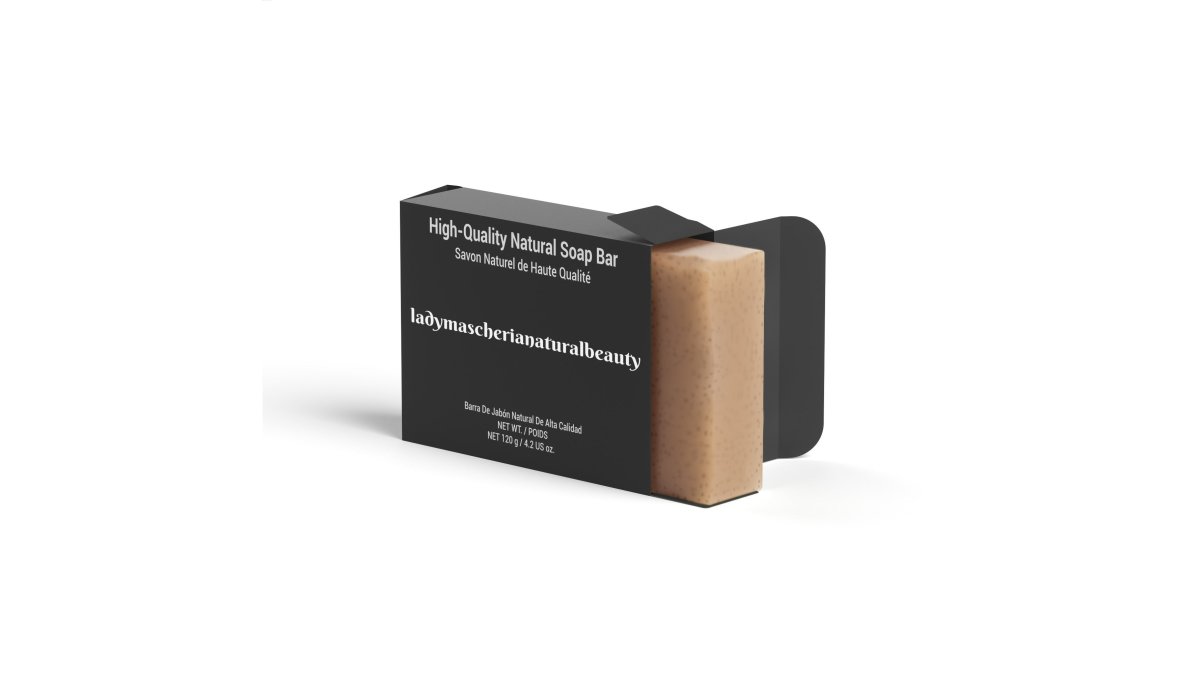
The sequence below summarises the order of nighttime layers and the timing each step calls for.
| Step | What to do | Time or amount |
|---|---|---|
| Cleanse | Use lukewarm water and a gentle cleanser | 60 seconds |
| Water-based treatments | Apply to damp skin | Follow product instructions |
| Moisturizer | Press in while skin is still dewy | Pea-sized to nickel-sized |
| Settle | Wait until moisturizer no longer feels slippery | 1-2 minutes |
| Facial oil | Warm between palms and press over face and neck | 2-3 drops |
| Lip balm | Apply last | As needed |
How Much Face Oil to Use at Night
Start with two to three drops. That is usually enough for the whole face and neck. Warm the drops between your palms, then press them gently into your skin.
Using too much can leave skin feeling greasy and can make the next day's products harder to apply. If you have oily or blemish-prone skin, start with one or two drops and build up only if your skin still feels dry.
Layering Facial Oil on Sensitive Skin
Sensitive skin needs extra care. For a full gentle daily routine built for reactive skin, see gentle daily routine for sensitive skin. Patch test any new oil on a small area for a few nights before using it across your whole face. Watch for redness, stinging, or itching.
Keep your routine short. Fewer products usually means fewer chances for irritation. A gentle soap, a simple moisturizer, and a light oil are often enough. If you are unsure which natural soap suits dry or sensitive skin, look at the ingredient list first and choose one with soothing ingredients like goat's milk or lavender. Our guide to which natural soap is best for dry skin compares options before you add oil.
Start Your Night Routine With Lady Mascheria
Layering facial oil after moisturizer is a simple habit many people find useful. Start with clean skin, use a small amount of each product, and wait a minute between steps. Lady Mascheria Natural Beauty offers luxury, natural soaps that fit into this routine.
Frequently Asked Questions
Should face oil go on before or after moisturizer?
For most people, apply moisturizer first and facial oil last. Moisturizer is water-based and binds water to the skin, and the oil layered on top helps seal that hydration in. Applying oil first can leave a film that stops water-based products from absorbing properly. The exception is a very thick cream on dry skin, where some people prefer a few drops of oil underneath for extra slip. Test one order for a week and watch how your skin feels in the morning.
How do you layer facial oil and moisturizer at night?
Cleanse your face and pat it until it is still slightly damp. Apply any water-based serum, then your moisturizer, and let it sink in for about one to two minutes. Warm two to three drops of facial oil between your palms and press it gently over your face and neck. Avoid rubbing, which can cause pilling. Use the oil as your final step so it locks in the layers beneath it.
How much facial oil should you apply at night?
Two to three drops is enough for most faces at night. Oils are concentrated, so more does not mean better results. If your face still feels tacky after a minute, you have used too much. Start with two drops, adjust the amount over several nights, and scale up slightly for the neck if your skin is particularly dry.
Can you use facial oil with moisturizer if you have sensitive skin?
Yes, many people with sensitive skin use both, but layer slowly. Choose a fragrance-free moisturizer and a facial oil with a short ingredient list, then patch test on the jawline for three nights before using it across your whole face. If you notice stinging, redness or breakouts, drop one product and reintroduce it later. Your dermatologist can advise if you use prescription treatments.
